Mozzarella Cheese: The Classic Stretched Cheese

Cottage Cheese Farm - Mozzarella Cheese
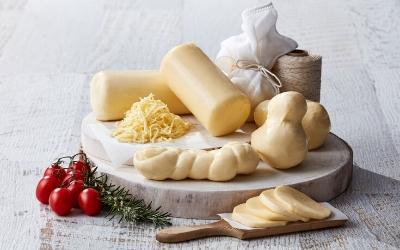
Cheese Cottage Farm’s Mozzarella Cheese

Mozzarella cheese is one of the most cherished and versatile cheeses in the world. Known for its creamy texture, mild yet milky flavour, and exceptional melting qualities, mozzarella is a go-to ingredient for countless dishes. From authentic Italian pizzas to refreshing caprese salads and cheesy pastas, mozzarella has carved a special place in kitchens across the globe.

The Origins and History of Mozzarella Cheese

Mozzarella cheese originated in Italy, with roots tracing back to the southern regions, particularly Campania, where water buffalo milk was traditionally used. The name “mozzarella” comes from the Italian word mozzare, meaning “to cut,” which refers to the process of cutting the curd during cheese-making.

Originally, mozzarella was made exclusively from the milk of water buffaloes, giving it a rich and slightly tangy flavour. This variety is known as Mozzarella di Bufala Campana and is still highly prized today. Over time, cow’s milk mozzarella became popular due to its milder taste and wider availability, making it more accessible worldwide. Today, mozzarella is enjoyed in a variety of forms across the globe, but it still retains its Italian heritage and traditional methods of preparation.

The Art of Mozzarella Making

Mozzarella belongs to a family of cheeses called pasta filata or “stretched curd” cheeses. This production technique is what gives mozzarella its signature stretch and elasticity—qualities that make it perfect for melting.

Basic Steps in Mozzarella Production:

  • Pasteurisation & Acidification: Fresh milk (either buffalo or cow) is pasteurised, then acidified to help develop the right texture and flavour.
  • Coagulation: Rennet is added to curdle the milk into soft curds.
  • Cutting & Draining: The curds are cut to release the whey and then drained.
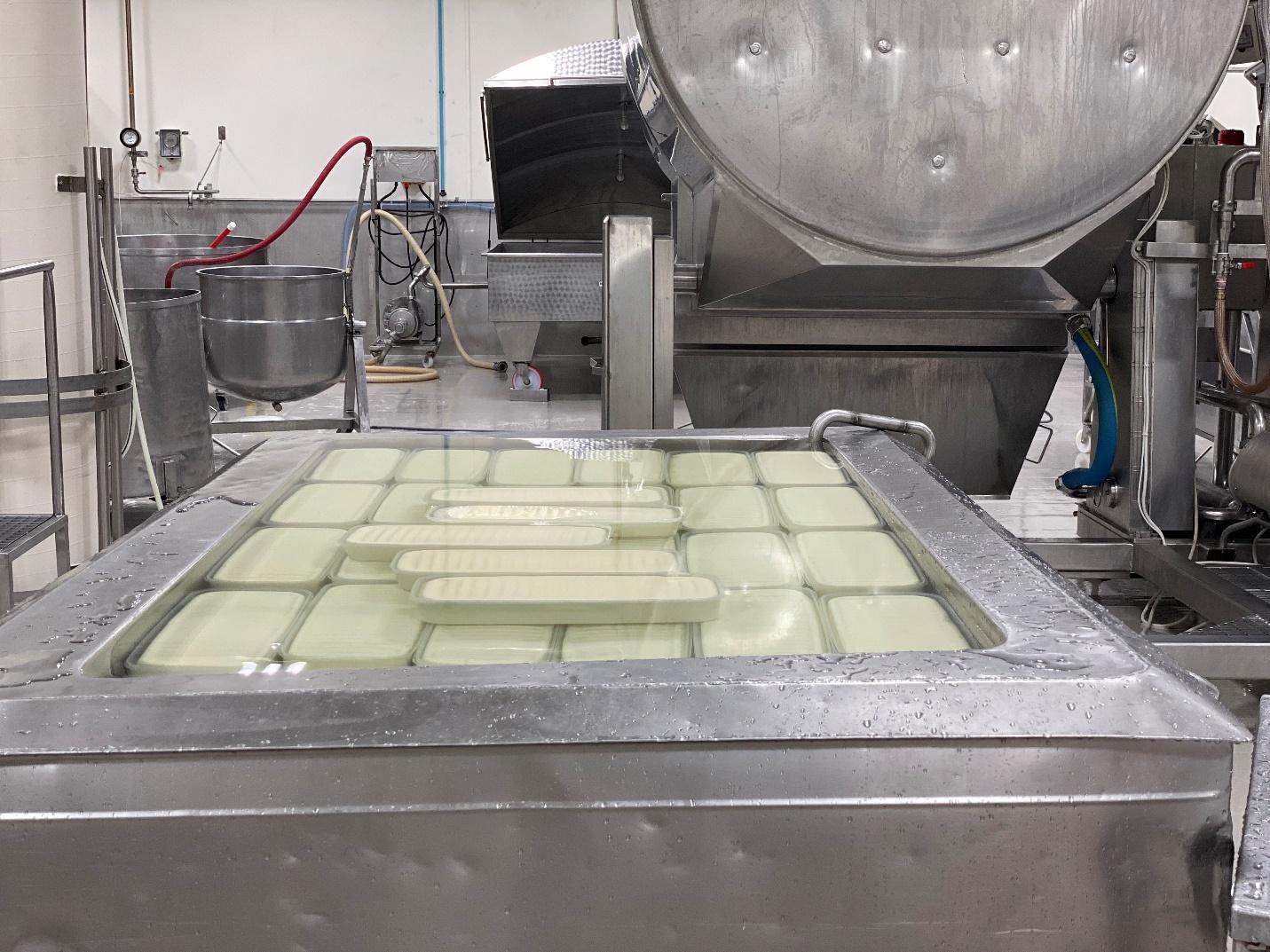
  • Heating & Stretching: The drained curds are immersed in hot water or whey, then stretched and kneaded until they achieve a smooth, elastic consistency.
  • Shaping: The stretched cheese is moulded into balls, logs, or other shapes.

Cooling & Brining: Finally, the cheese is cooled in water or brine to lock in its freshness and moisture.

Cottage Cheese Farm - Art of Mozzarella Making

Varieties of Mozzarella Cheese

It may seem simple at first glance, but this cheese actually comes in a range of varieties—each with its own unique texture, flavour profile, and ideal culinary applications. 

  • Mozzarella di Bufala: Made from water buffalo milk, this cheese is creamy, rich, and slightly tangy. It is typically used fresh and is perfect for salads, antipasti, and gourmet dishes.
  • Fior di Latte: Made from fresh cow’s milk, it’s softer and milder in taste. It’s the most common variety used in Australia and worldwide.
  • Bocconcini: These small, ball-shaped pieces of mozzarella are excellent in salads and appetisers.
  • Smoked Mozzarella (Scamorza): This version is smoked to create a savoury, smoky flavour, making it ideal for grilling or melting.
  • Low-Moisture Mozzarella: Dryer and firmer, this is the standard cheese used on pizzas and baked dishes in many parts of the world due to its excellent meltability and browning characteristics.

Creative Ways to Use Mozzarella Cheese in Recipes

Mozzarella cheese is celebrated for its creamy texture, mild flavour, and exceptional melting qualities. While it’s a classic in pizza and lasagna, there are countless inventive ways to enjoy mozzarella in your cooking. Here are some creative ideas, drawing on both traditional favourites and unexpected twists:

1. Mozzarella Schnitzel

Flatten mozzarella slices, bread them, and fry until golden for a crunchy, melty snack—a cheesy riff on classic schnitzel that delivers more crunch and a gooey centre.

2. Heirloom Tomato & Cornbread Panzanella

Toss torn mozzarella with chunks of leftover cornbread, juicy heirloom tomatoes, and fresh basil for a summery, hearty salad that’s a step up from the usual panzanella.

3. Pizza Quesadillas

Swap tortillas for pizza dough or use classic tortillas, fill with mozzarella, pepperoni, and your favourite pizza toppings, then grill until crispy for a fusion snack.

Cottage Cheese Farm -  Pizza Quesadillas

4. Stuffed Peppers or Mushrooms

Fill bell peppers or large mushroom caps with a mixture of mozzarella, herbs, and breadcrumbs, then bake until bubbly—a great appetiser or side.

5. Bruschetta and Toast Toppings

Top crusty bread with mozzarella, roasted tomatoes, and basil for a simple bruschetta, or try mozzarella with spicy tomatoes and garlicky toast for extra flavour.

6. Mozzarella Skewers

Thread mozzarella balls onto skewers with cherry tomatoes, basil, and prosciutto or chorizo for a colourful, picnic-friendly appetiser.

7. Pastelón (Puerto Rican Lasagna)

Layer crispy fried sweet plantains with melty mozzarella and a savoury ground beef filling for a sweet-and-savoury casserole that’s a crowd-pleaser.

8. Arancini (Stuffed Risotto Balls)

Form cooled risotto into balls, stuff with mozzarella, bread, and deep-fry until golden for a crispy, cheesy Italian snack.

9. Deep Dish Tomato & Mozzarella Pizza

Go beyond classic pizza with a deep-dish version loaded with mozzarella and a thick tomato sauce for extra indulgence.

10. Mozzarella Cheese Party Dip

Melt mozzarella with cream cheese, garlic, and herbs for a gooey, shareable dip—perfect for game day or gatherings.

11. Baked Gnocchi or Pasta

Toss gnocchi or pasta with tomato sauce, mozzarella, and your favourite vegetables or meats, then bake until bubbly for a comforting, cheesy casserole.

Cottage Cheese Farm - Baked Gnocchi or Pasta

12. Mozzarella in Salads

Use mozzarella balls (cherry or bocconcini) in creative salads—try pairing with figs, melon, or even roasted squash for a sweet-savoury twist.

13. Sheet-Pan Burrata Caprese Gnocchi

Roast gnocchi with bell peppers and finish with torn mozzarella or burrata for a one-pan meal that’s both easy and impressive.

14. Mozzarella-Topped Casseroles & Bakes

Top baked meatballs, casseroles, or even roasted vegetables with mozzarella for a melty, golden finish.

15. Mozzarella-Stuffed Chicken or Meatballs

Stuff chicken breasts or meatballs with mozzarella for a surprise cheesy centre that oozes when cut open.

Pro-Tips for Using Mozzarella Creatively

Mix Fresh and Low-Moisture: Fresh mozzarella is best for salads and appetisers, while low-moisture mozzarella excels in baked dishes and for achieving that classic pizza stretch.

Pair with Sweet or Savoury: Mozzarella’s mildness pairs well with both sweet ingredients (like peaches or figs) and savoury ones (like pesto, roasted vegetables, or cured meats).

Think Beyond Italian: Try mozzarella in fusion dishes—quesadillas, stuffed peppers, or even as a topping for baked potatoes and casseroles.

Mozzarella’s versatility makes it a star in countless creative recipes, whether you’re looking for a comforting bake, a fresh salad, or a show-stopping appetiser. Let your imagination (and your cheese pull) run wild!

Why Mozzarella Cheese Can Be a Healthy Addition to Your Diet

Mozzarella isn’t just a tasty addition to your favourite dishes—it also delivers a variety of health benefits that make it a smart choice for balanced diets. 

  • High in Protein: Mozzarella is a good source of protein, which supports muscle growth and repair.
  • Rich in Calcium: This essential mineral strengthens bones and teeth.
  • Contains Probiotics: Fresh mozzarella, especially when made traditionally, can contain beneficial bacteria that promote gut health.
  • Lower in Fat (Compared to Other Cheeses): Mozzarella generally contains less fat and sodium than many hard cheeses, making it a lighter option for cheese lovers.

While mozzarella should be enjoyed as part of a varied diet, its combination of nutrients, mild flavour, and lower sodium levels make it a healthier cheese option than many others. 

Cheesy Facts About Mozzarella 

Mozzarella cheese isn’t just delicious—it’s got a quirky side too! These fun mozzarella facts are bound to make you smile (and maybe crave a bite):

🧀 Mozzarella is the Most Popular Cheese on Pizza

It’s official: mozzarella wears the crown as the world’s favourite pizza cheese. Thanks to its meltability and mild flavour, it’s the go-to topping from New York to Naples.

Cottage Cheese Farm - Mozzarella Cheese on Pizza

🧀 It’s a Cheese That Stretches for Days

The unique pasta filata (stretched curd) method gives mozzarella that gooey, stringy stretch we all love. In fact, some cheese-pull videos online are oddly satisfying and borderline addictive!

🧀 There’s a Mozzarella Stretching Championship

Believe it or not, Italy hosts mozzarella-stretching competitions where skilled cheesemakers show off their technique. Think of it as the Olympics for cheese artisans!

🧀 It Was Once Made by Accident

Legend has it that mozzarella was first created when curds accidentally fell into a bucket of hot water in a cheese factory near Naples. The result? The first ever batch of this stretchy wonder.

Whether you’re tossing it on a pizza, slicing it into a salad, or nibbling it straight from the fridge (no judgment), mozzarella has a way of making every bite a little more joyful. 

From its creamy texture to its signature melt and stretch, mozzarella cheese is a true kitchen staple. And if you’re looking for authentic, high-quality stretched cheese made right here in Australia, Cottage Cheese Farm has you covered.

We supply premium mozzarella—available in blocks, shredded, or as bocconcini—to pizza shops, restaurants, and cheese lovers across Melbourne and beyond.
Contact us today to explore our range of fresh, halal-certified stretched cheeses, perfect for elevating your cooking, whether you’re a professional chef or a passionate home cook.

Why Ricotta is a Must-Have for Every Kitchen

Whole ricotta cheese wheel garnished with fresh herbs and tomatoes

If you’ve ever savoured a velvety lasagna or dipped your spoon into a luscious cheesecake, you’ve likely enjoyed the magic of ricotta cheese. Mild, creamy, and incredibly versatile, ricotta is one of those ingredients that quietly makes everything better.

What Is Ricotta? A Quick Cheese 101

Ricotta, which means “recooked” in Italian, is a fresh whey cheese made by reheating the leftover whey from cheese production. While it was traditionally made from sheep or goat whey in Italy, most modern ricotta is made from cow’s milk, resulting in a moist, fluffy texture and a mild, slightly sweet flavour.

Cheese with a Past

Ricotta’s story begins in the rolling hills of ancient Italy, where resourceful shepherds turned what others saw as waste into culinary gold. The word “ricotta” literally means “recooked,” and that’s exactly how it’s made—by reheating the leftover whey from cheese production to coax out every last bit of goodness.

While hard cheeses like pecorino could be aged and traded far and wide, ricotta was a fresh treat, enjoyed by the very people who made it. Its fleeting freshness made it a local delicacy, rarely leaving the farm but always leaving a big impression.

The Art of Recooking

Ricotta cheese being formed in molds by a worker at a cheese factory

Ricotta isn’t your typical cheese. Instead of being made from the curds (the solid part of milk), ricotta is crafted from whey—the liquid left after curds have been removed. This process is beautifully simple yet requires skill and timing:

  • Whey Collection: Leftover whey from cheese production (typically mozzarella or pecorino) is collected
  • Reheating: The whey is gently heated to around 185°F (85°C)
  • Acidification: Sometimes vinegar or lemon juice is added to encourage protein coagulation
  • Curd Formation: The remaining proteins form soft, fluffy curds
  • Draining: Curds are carefully scooped and drained to achieve the desired consistency

Cow’s milk is the most common base today, but traditional ricotta can also be made from sheep, goat, or even water buffalo milk. No matter the source, the result is a cheese that’s mild, slightly sweet, and endlessly versatile.

Why Ricotta Belongs on Every Table

Ricotta cheese platter with grapes, crackers, nuts, and honey

Ricotta is one of those must-have ingredients that’s always worth keeping around. Its unique combination of nutritional benefits, culinary versatility, and convenience factor makes it a smart and tasty choice for any well-stocked fridge. 

Here’s why ricotta deserves a regular spot in your kitchen:

Nutritional Powerhouse

Beyond its impressive protein and calcium content, ricotta provides essential amino acids that support muscle recovery and growth. Its naturally lower sodium content makes it heart-friendly, while the presence of selenium and phosphorus contributes to immune function and bone strength. For those managing weight, ricotta’s protein helps maintain satiety without excessive calories.

Incredible Versatility

Few ingredients can seamlessly transition from breakfast to dinner to dessert like ricotta. Start your day with ricotta-stuffed French toast, enjoy a Mediterranean-inspired lunch with herbed ricotta and roasted vegetables, and finish with a decadent ricotta chocolate mousse. This adaptability makes meal planning easier and more creative.

Budget-Friendly Protein

Compared to meat and fish, ricotta offers high-quality protein at a fraction of the cost. A single container can stretch across multiple meals, making it an economical choice for families and individuals alike.

Kitchen Convenience

Ricotta requires no cooking or preparation—it’s ready to use straight from the container. This convenience factor makes it perfect for quick weeknight dinners, last-minute entertaining, or when you need to add richness to a dish without complicated techniques.

Supports Local Agriculture

Choosing locally made ricotta supports regional dairy farmers and reduces environmental impact through shorter transportation distances. Many small-scale producers use sustainable practices that benefit both the community and the environment.

Choosing and Storing Ricotta Cheese

When selecting ricotta, look for:

  • Fresh production dates: Ricotta is highly perishable due to its high moisture content
  • Minimal ingredients: Quality ricotta needs only milk/whey, cultures, and perhaps salt
  • Proper packaging: Should be well-sealed and consistently refrigerated
  • Artisanal options: Local producers often offer superior texture and flavour
  • Colour indicators: Fresh ricotta should be bright white, not yellowish
  • Texture clues: Avoid ricotta that appears separated or watery

Pro Tip: For maximum freshness, store ricotta in the refrigerator at 5 degrees Celsius or below and consume within 5-7 days of opening

Delicious Ways to Use Ricotta

Baked ricotta dish with tomato sauce and toasted bread on a plate

Ricotta’s creamy texture and mild flavour make it a versatile star in all kinds of dishes. Here are some tasty ideas to help you get the most out of every container:

Savoury Ricotta Toast: Spread ricotta on crusty sourdough and top with cherry tomatoes, basil, and a drizzle of olive oil for a quick breakfast or snack.

Whipped Ricotta Dip: Blend ricotta with lemon zest, garlic, and herbs for a creamy dip perfect with crackers or veggie sticks.

Stuffed Shells or Lasagna: Use ricotta as the creamy base for pasta fillings—combine with spinach, herbs, and parmesan for a rich, satisfying meal.

Ricotta Pancakes:  Light and fluffy, ricotta pancakes offer a protein boost and pair beautifully with fresh berries and honey.

Ricotta Cheesecake: For dessert lovers, ricotta adds a light, airy texture to cheesecakes that’s less dense but equally delicious.

Grilled Veggie Wraps: Spread ricotta in a warm tortilla, then layer with grilled zucchini, eggplant, and red pepper for a Mediterranean twist.

Ricotta Gnocchi: Swap out traditional potato for ricotta to create pillowy-soft gnocchi that cooks in just minutes.

Ricotta continues evolving to meet modern tastes and dietary needs. Innovations include plant-based alternatives, reduced-fat versions, and flavour-infused varieties. However, traditional ricotta remains the gold standard for both professional chefs and home cooks.

For those seeking authentic, high-quality ricotta, Cottage Cheese Farm offers award-winning ricotta made to perfection. Located in Melbourne’s Broadmeadows, Cottage Cheese Farm specialises in traditional Mediterranean cheeses, including our acclaimed ricotta, combining time-honoured techniques with modern quality standards.

Contact us and experience the difference that comes from choosing quality ricotta, and discover why this ancient cheese continues to earn its place in kitchens around the world.

Grill It, Fry It, Love It: A Halloumi Cheese Guide

Halloumi Cheese - Cottage Cheese Farm
Cheese Cottage Farm’s Fresh Cyprian Style Haloumi

If you’re a cheese lover, you know that not all cheeses are created equal. Some melt, some crumble, and some… squeak when you bite into them. Meet Halloumi—the deliciously different cheese that’s taking kitchens by storm. Whether you’re a seasoned foodie or just a fan of trying new flavours, Halloumi deserves a spot on your plate. 

What Exactly is Halloumi?

Halloumi (sometimes spelt “haloumi”) is a semi-hard, unripened, brined cheese that traces its origins to Cyprus and the surrounding Eastern Mediterranean region. Traditionally made from a blend of goat’s and sheep’s milk—though nowadays cow’s milk is often added—Halloumi boasts a firm, layered texture and slightly salty tang. 

There are different types of Halloumi for different recipes: 

  • Lebanese-style Halloumi can be served as a table cheese. Alternatively, when cooked, it can be used for sweets, toasties, and in pides. 
  • Cyprian-style Halloumi has one magic quality: It doesn’t melt when you cook it. Thanks to its high melting point, you can throw Cyprian-style Halloumi on a grill or into a hot pan, and instead of turning into a gooey mess, it develops a crispy golden crust while staying tender and chewy inside. That’s why it’s often called the “grilled cheese” of the Mediterranean. 

And oh yes—there’s that delightful squeak when you bite into a freshly cooked piece. If you know, you know.

A Cheese Steeped in History

Halloumi’s story goes back thousands of years. Records from the Middle East and Egypt mention early forms of this cheese, known as “Halum” or “Aloum,” as early as 4,000 BCE. For centuries, it was a staple food for Bedouin tribes, valued for its long shelf life and portability, perfect for a nomadic lifestyle.

From Cyprus to Greece to the Middle East, Halloumi slowly spread its influence, and today, it’s one of the most beloved speciality cheeses worldwide. Safe to say—Halloumi fever is real.

Halloumi Cheese History - Cottage Cheese Farm

Why Cheese Lovers Are Obsessed

Beyond its incredible cooking versatility, Halloumi is an excellent source of protein and calcium, which are important for muscle maintenance and bone health. However, because it’s high in sodium and saturated fat, it’s best enjoyed in moderation. This won’t be a problem because a little Halloumi goes a long way in delivering flavour and satisfaction!

Mouthwatering Halloumi Recipes You Need to Try

Halloumi’s versatility shines in sweet and savoury dishes—grill, fry, bake, or just nibble it straight. However you enjoy it, you’ll quickly find that Halloumi can elevate any meal from everyday to extraordinary.

1. Grilled Halloumi Skewers

Thread cubes of Cyprian-style Halloumi onto skewers with veggies like cherry tomatoes, zucchini, and bell peppers. Grill until golden. Drizzle with olive oil and a squeeze of lemon. Perfect for summer BBQs!

Grilled Halloumi Skewers - Cottage Cheese Farm

2. Halloumi Fries

Cut Cyprian-style Halloumi into thick batons, lightly dust with flour and spices, and fry until crisp. Serve with a spicy harissa mayo or a refreshing tzatziki dip.

3. Halloumi Salad

Top a fresh salad of mixed greens, cucumbers, and mint with slices of seared Cyprian-style Halloumi. Finish with a lemon vinaigrette for a refreshing, protein-packed meal.

4. Halloumi Burger

Swap out the beef for a slab of grilled Cyprian-style Halloumi in your burger. Stack it high with roasted veggies, pesto, and a toasted bun for a mouthful of savoury goodness. 

Halloumi Burger - Cottage Cheese Farm

5. Halloumi Breakfast Plate

Serve Lebanese-style Halloumi with tomatoes and cucumbers, olives, mint and Lebanese flat bread. Alternatively, fry up slices of Cyprian-style Halloumi alongside some eggs, avocado, and roasted tomatoes for a Mediterranean twist on the classic breakfast. 

Loved for its rich flavour and incredible texture, Halloumi brings a unique touch to any meal. Thanks to its satisfying bite, it’s the perfect ingredient for those who enjoy experimenting with bold, delicious flavours.

Expert Tips for Cooking Cyprian-style Halloumi

For the perfect Halloumi every time, here are some key tips to help you achieve the best texture and flavour:

  • Slice Evenly: Cut your Halloumi into uniform slices or cubes to ensure even cooking and that golden, crispy crust everyone loves.
  • Grill or Fry Over Medium-High Heat: This is the sweet spot for Halloumi. Cooking it at medium-high heat gives you that perfect, crispy golden exterior while keeping the inside soft and chewy.
  • Serve Immediately: Halloumi is best enjoyed fresh off the grill or pan. The contrast between the warm, crisp outside and the soft inside is what makes it so irresistible.
  • Balance the Flavours: Pair your Halloumi with fresh or roasted vegetables, grains, or even fruits like watermelon or figs to add a refreshing contrast to its salty richness. The possibilities are endless!

Halloumi has quickly become a go-to favourite for cheese lovers, and it’s easy to see why. With its unique texture and versatility, as with all great cheeses, the quality makes all the difference. When you’ve got the right Halloumi, it’s an experience, not just an ingredient.

That’s where Cottage Cheese Farm comes in. Based right here in Australia, we’re committed to providing the highest quality Halloumi. Our Halloumi, whether you’re trying our Cyprian-style or Lebanese-style, is crafted with care and packed with authentic flavour. Whether you’re grilling, frying, or slicing for a quick snack, we’ve got the Halloumi that’s perfect for your next culinary adventure.

Lebanese Style Halloumi - Cottage Cheese Farm

Where to Get the Best Halloumi

If you’re ready to taste what real Halloumi should be, check out our Cottage Cheese Farm Halloumi collection. Our cheeses are made with love and passion, offering that authentic Mediterranean flavour that makes Halloumi so irresistible. Perfect for grilling, frying, or enjoying fresh, our Halloumi is the star of any dish.

Contact us today and bring the Mediterranean to your kitchen with the best Halloumi in town!

Mozzarella is the best cheese to have in a restaurant (and your customers will agree).

Oh, the wonder that is mozzarella. The way it melts so perfectly on pizza and waterfalls down a sandwich. It can be fried and crumbed into mozzarella sticks or turned into mac and cheese. That stretch is uniquely mozzarella cheese. 

While it’s loved for its flavour, mozzarella cheese is praised by chefs (professional and domestic) for its versatility. It’s a type of cheese that can be adapted into almost every recipe – making it a must-have ingredient for every restaurant, especially pizza shops and Italian eateries. And as a wholesale cheese supplier in Melbourne, we know just the spot to get it. (Yes, it’s a dream to run one of Australia’s best cheese companies). 

Mozzarella has a soft, silky, milky and mild flavour. It’s considered one of the healthier cheeses, due to its high levels of calcium, protein and iron (and low portion of fat and sodium). 

The science behind mozzarella (and the stretch) 

That famous cheese stretch, when you pull a slice of pizza and the mozzarella is hanging off. Or that gooey melted, mozzarella mac and cheese, that you can’t stop eating. That’s the ‘mozzarella stretch.’ 

Stretched Mozzarella Cheese

The science behind this stringy consistency is thanks to the milk containing proteins that consist of coiled-up chains of molecules. As the cheese is made, these proteins separate during the curdling, resulting in curds. With mozzarella, the curds are put into hot, salty water, which uncoils the proteins and transforms them into long strands. Repeatedly compressed and extended, these strands line up and, ta-dah… the famous ‘stretch.’ 

Mozzarella is safe to eat, with or without cooking it 

While mozzarella is a famous pizza topping, there are so many ways to enjoy this cheese. It pairs well with bread, meat and vegetables, either melted or fresh. Mozzarella evokes a different experience when served hot or cold. Cook with it or use it as a topping in a main dish. Serve it as a cold appetiser with a drizzle of olive oil, fresh tomato and basil. Whether mozzarella is the hero ingredient or if it’s just adding extra flavour, you can create culinary magic with this cheese. 

And really, who isn’t cheese obsessed 

Mozzarella is a cheese that sells itself. It needs no introduction and while there are some alternatives (like provolone), there’s nothing like mozzarella. It’s one of those ingredients that features on appetiser, entrée and main menus – in the form of cheese boards, mozzarella balls, sliders, pizzas, sandwiches, paninis, pasta, chicken ‘parmy, and just about every other type of food that’s good in the world. 

Melbourne’s Cottage Cheese Factory 

Cottage Cheese Farm supplies to restaurants, pizza and börek manufacturers, and cheese-loving homes. If you’re looking for wholesale mozzarella cheese supplier in Melbourne, contact us on 03 9359 0439 or fill in the contact form. We also have a retail store you can visit if you’d prefer to speak with our friendly team and view our entire range of dairy products. This is more than just a mmmm! mozzarella cheese company. 

As for our mozzarella, this isn’t just your run of the mill cheese. We won the 2020 Gold Award for the best mozzarella cheese in Australia. 

Imagine your recipes, with the best mozzarella cheese manufacturer in the country. Get ready for lines out the door! 

Mozzarella & Middle Eastern cheese (akkawi, baladieh & shanklish) are popular in restaurants and at home. Here’s why.

The Middle East might not be the first place that comes to mind when you think of cheese. But some of the most loved types of cheese originates from that region. Feta and halloumi are two, delicious examples. 

You don’t have to go far to find these products in restaurants (thanks to wholesale cheese suppliers in Melbourne). Halloumi has well and truly earned its place in the ‘Aussie brunch’ experience. We can hear all those food Instagram influencers sharing a collective hallelujah! 

Before we take you on a ‘trip’ to the Middle East, let’s take a little cheese ‘history journey.’

So, where did cheese come from? 

No, it wasn’t France! Cheese dates back 7,000 to 8,000 years ago in the Middle East, where humans first discovered the art of making it. Legend has it, milk was stored and transported in goatskin containers made from the stomachs of young goats where it naturally curdled… and where we discovered one of the best foods known to man. 

Is cheese good for you? Are there health benefits? 

Something that tastes this great must be good somehow, right? As long as you don’t go overboard (we know, it’s hard), yes, it’s a nutritious food source. 

Cheese is a good source of calcium, protein, and fat – as well as Vitamin A and B12, zinc, phosphorus, and riboflavin. Cheese made from the milk of 100% grass-fed animals is your best bet, nutrient-wise, as it also contains Omega-3 fatty acids and Vitamin K2. 

The different types of cheese (and when to use them) 

Cheese can be grouped into four categories:

  • Stretched (Mozzarella)
  • Middle Eastern
  • Hard Cheese
  • Ricotta

Let’s focus on the first two types and why they’re so versatile.  

Mozzarella, aka ‘stretchy cheese’ 

Award Winning Mozzarella Produced at Cottage Cheese Farm Factory in Broadmeadows

This cheese needs no introduction. Mozzarella is used at home, both in cooking (pasta toppings, lasagnas and toasted sandwiches), as well as a topping for pizza or salads. It’s a popular choice in restaurants, cafes and pizza shops, too. 

Akkawi cheese 

Akkawi Cheese Produced at Cottage Cheese Farm Factory in Broadmeadows

A traditional Middle Eastern cheese, smooth in texture with a mild salty taste, Akkawi is a good table starter. This cheese is great by itself, or eaten with crackers or a flatbread. 

Bakeries and sweet shops often sell Akkawi in fatayer (a pie stuffed with this cheese), consumed across Iraq, Iran, Syria, Egypt, Lebanon, Jordan, Palestine, Kuwait, and Israel. Akkawi is also a delight in the dessert, kanafeh. Think pastry, dough, syrup, a layer of cheese, cream, and nuts. Oh my! 

Baladieh cheese 

Baladieh Cheese Produced at Cottage Cheese Farm Factory in Broadmeadows

Also a table cheese in the home, Baladieh is a soft white cheese. This artisan cheese is best enjoyed by itself or in a salad, because of its delicious creaminess. Originating from Lebanon, Baladieh takes your tastebuds to a different ‘time zone.’ Buttery, mild, sweet yet salty, this is a cheese everyone must try once. It’ll bring meals to a whole new level, in such a simple way. 

Shanklish cheese 

Shanklish Produced at Cottage Cheese Farm Factory in Broadmeadows

Shanklish is the Lebanese and Syrian version of blue cheese. Typically served in small balls, shanklish is enjoyed just with oil, in a salad or in fatayer – making this cheese something great to share. 

Shanklish has a sharper, stronger, more pungent flavour delivery. It’s one of those special foods that doesn’t require a thing. A common meze dish, people in the Middle East usually consume Shanklish with finely chopped tomato, onion, and olive oil. It can also be served with fried eggs, pita bread, cucumbers, mint, and olive oil. Oh, stop it!

You’ll find this cheese in Middle Eastern bakeries and restaurants (with a long line of avid fans). It’s a treasured ingredient in a part of the world that many of us may never have the opportunity to visit. But thankfully, we have cheese wholesalers in Melbourne. 

This cheese supplier in Melbourne is bringing the Middle East, to you 

If you’re looking for a wholesale cheese manufacturer (including Mozzarella or any Middle Eastern Cheese) in Melbourne, contact us on 03 9359 0439 or fill in the contact form. Cottage Cheese Farm supplies to restaurants, pizza and börek manufacturers, and cheese-loving homes. 

Over the years, we’ve perfected our award-winning cheese range. In 2020, we won the Gold Award for the best mozzarella cheese in Australia. Your customers (or kids) will love this… and taste why we’re the go-to mozzarella supplier. 

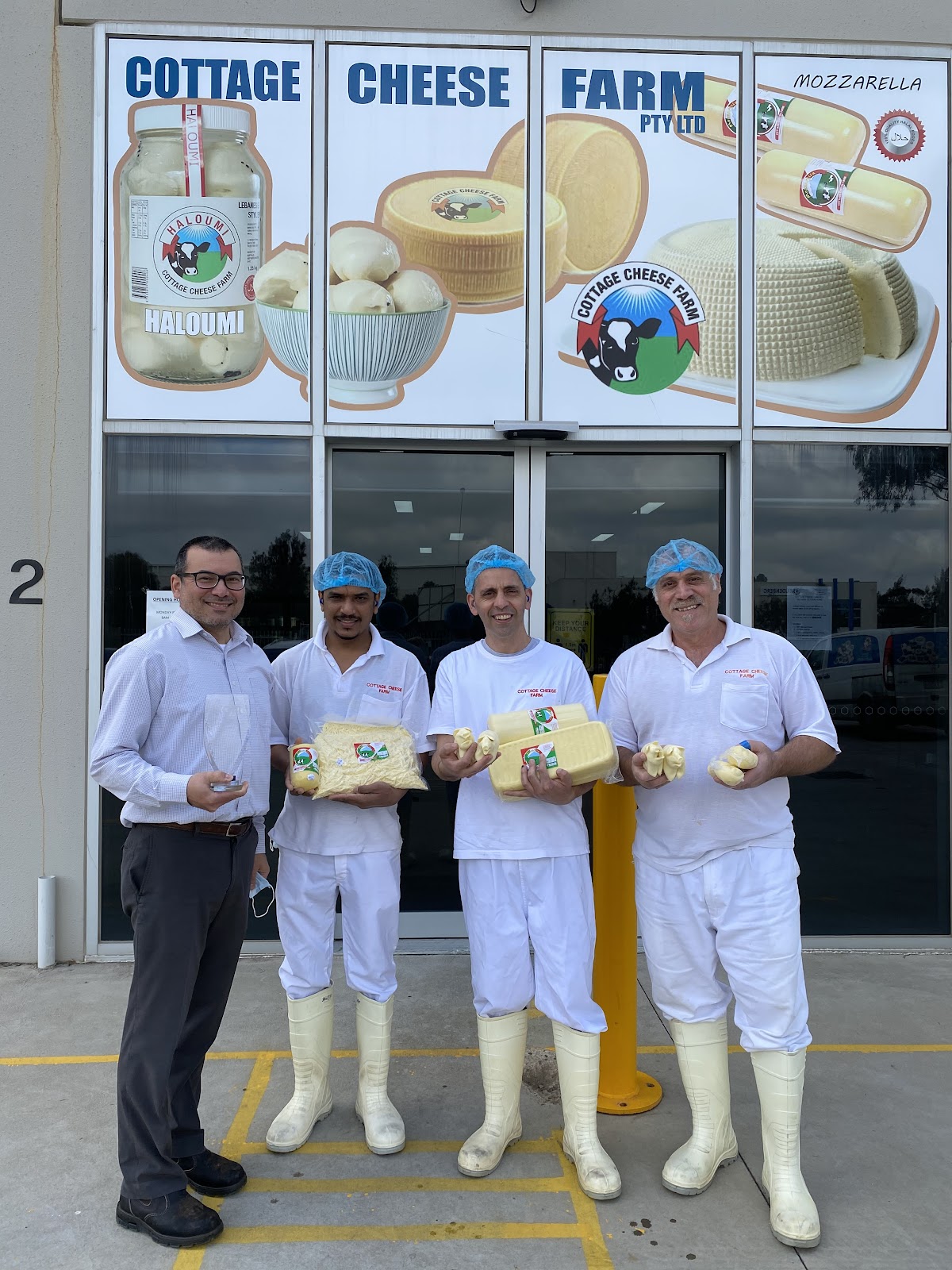
CCF Team With the Quality Cheese Products and the DIAA Awards

Add healthy haloumi to your menu this summer. The Cottage Cheese Farm haloumi sells itself

When it comes to cheese, there’s one kind that’s unlike the rest. Haloumi.  Add it to cheese manakish or Turkish pide, grill it for salad or burger or simply eat it on its own. You’re only limited by your imagination. Once you start eating haloumi, it’s hard to say no to seconds. 

It’s so good, we’re dedicating a whole resource to it. 

So, what is haloumi? 

You’re probably wondering, what haloumi cheese is made from and why is it so delectable? It’s a white cheese made from curd and poached in the whey. Haloumi boasts a high melting point, so you can fry or grill it – making it an awesome meat substitute. It’s one of the few cheeses that doesn’t melt because it’s already boiled and poached at a high temperature. This makes it a treat to cook with. 

Just type ‘best haloumi cheese recipes’ into Google and your mouth will undoubtedly start salivating. What makes this cheese so popular, along with its taste, is its versatility. 

A picture containing table, cake, food, sitting

Description automatically generated
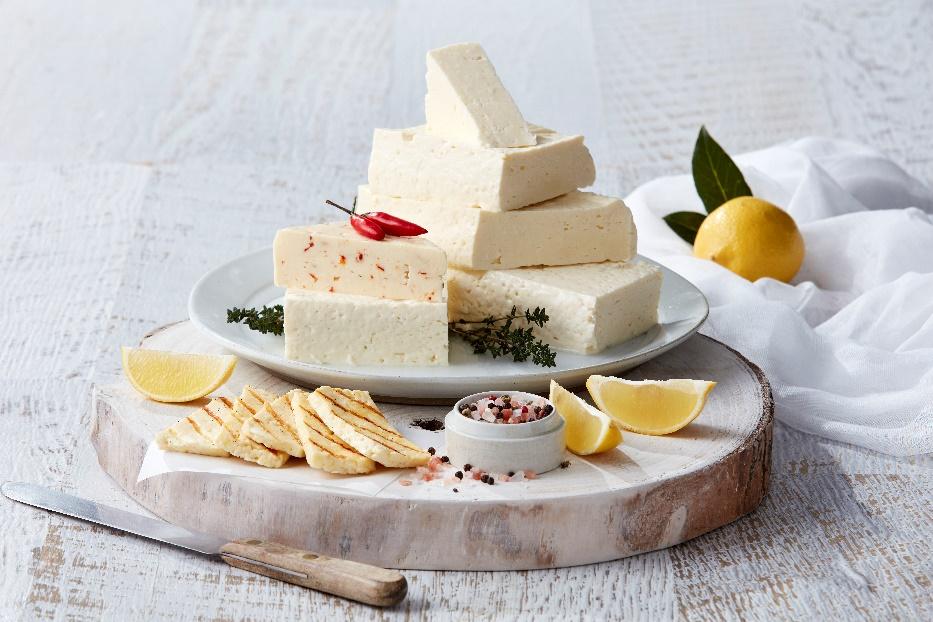
Award Winning Haloumi From Cottage Cheese Farm

How haloumi was traditionally made 

Haloumi originates from the eastern Mediterranean coast, with close ties to Cyprus. It’s been produced there by a multi-ethnic population for many centuries. It also has roots in Syria, Lebanon, Palestine, and Turkey. However, the name of the cheese likely goes back to second-century Roman-conquered Egypt. 

Traditional haloumi was made with a mix of cows, sheep and goat’s milk, as cows were scarce on the island of Cyprus until the 20th century. It was also more expensive to commercialise, as many people were using cow’s milk. As demand grew, the ‘recipe’ evolved. 

Our range includes both Cyprian and Lebanese haloumi, plus individually-wrapped flavoured Haloumi. Try our chilli flavoured Haloumi for a little extra zing or low-salt haloumi pieces for your health-conscious customers. 

A close up of food

Description automatically generated
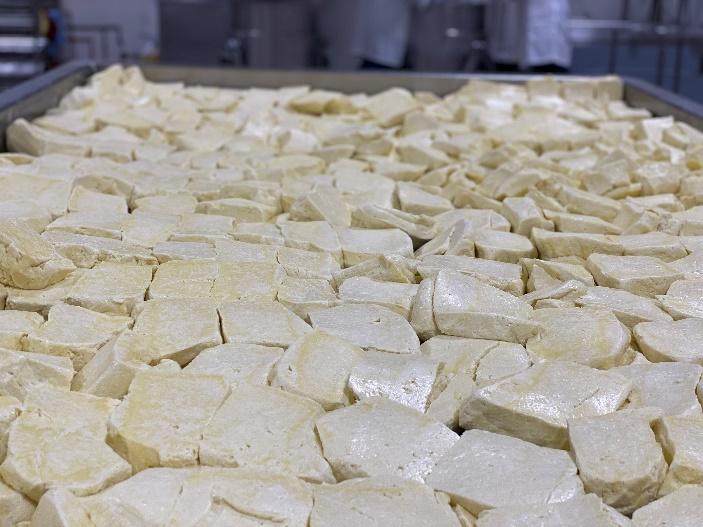
Cyprian Haloumi Production At Cottage Cheese Farm
A pile of fresh produce

Description automatically generated
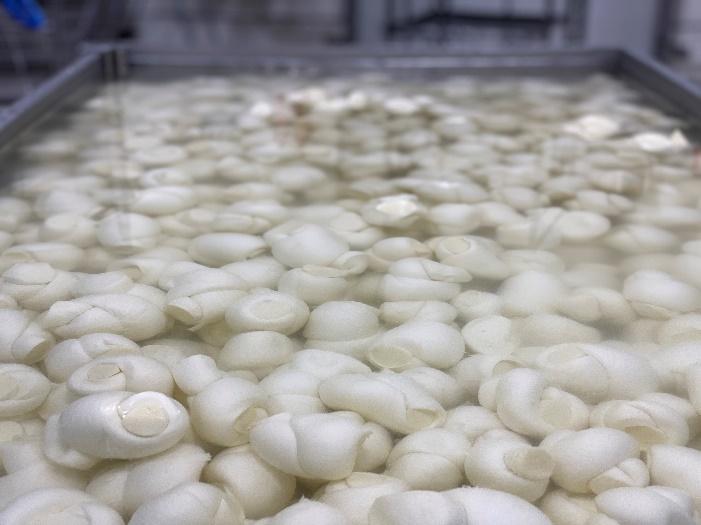
Lebanese Haloumi Production At Cottage Cheese Farm

Is it haloumi or halloumi? 

This is a little like donuts or doughnuts. There’s a bit of confusion because the word haloumi isn’t an English word, it can be spelled both ways. Haloumi is called Hellim in Turkish, Khalloumi in Cyprian, Hallum in Lebanese, and Halumi in Egyptian. 

Who loves haloumi?

No matter how you spell it, one thing remains consistent: people love haloumi. Cyprus, European, Lebanese and Mediterranean cuisine celebrates it. But it’s easy to find on menus in the UK, USA, Canada, Australia, and New Zealand. In 2013, the UK recorded the highest demand in Europe and the UK, only after Cyprus. 

Haloumi has become a staple particularly in Australia, now also in many non-Middle Eastern restaurants. It’s a ‘cool’ menu item. 

Is haloumi cheese good for you?  

Haloumi lovers, say cheese. You’re about to smile from ear-to-ear. Because haloumi is a white cheese and normally consumed fresh, it’s healthier than the more mature alternatives. Keep an eye on how it’s prepared. If you fry it in a sea of oil, this will, of course, change its nutrient value. 

Cottage Cheese Farm’s haloumi maintains the traditional taste. Our cheese makers stick to the original recipe but cook it with cow’s milk. Our haloumi is also certified halal, thanks to the vegetarian Rennet we use to make our cheeses. 

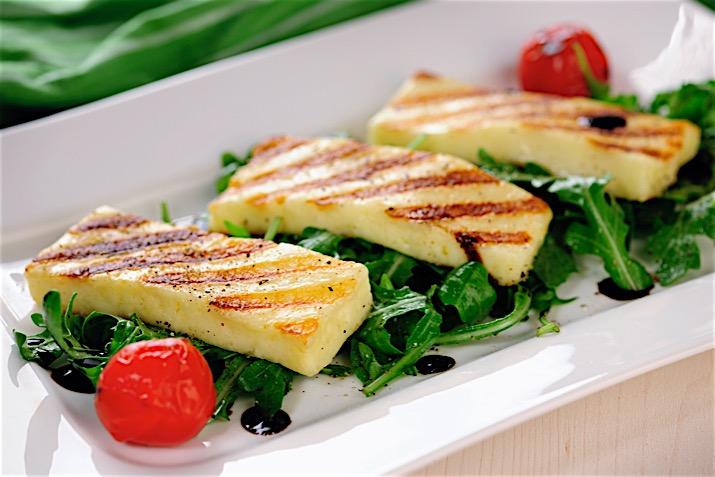
Haloumi’s versatility inspires creativity in professional and home kitchens. You can create or improve just about any dish or snack… grilled haloumi flatbread, spicy haloumi fries, portobello and mushroom haloumi sliders, haloumi with tomatoes and balsamic vinegar. The list goes on. 

A plate of food

Description automatically generated
Bring Back Your Grandma’s Recipe With Cottage Cheese Farm

Your wholesale haloumi supplier in Melbourne 

Restaurants, cafes, and Middle Eastern and Turkish bakeries use our haloumi as an ingredient in a myriad of dishes. If you’re Googling, ‘where can I find haloumi cheese’ in Melbourne, you don’t have far to look. Many green grocers and independent supermarkets in and around Melbourne stock our haloumi products. The general public can also buy our award-winning haloumi from our retail outlet in Broadmeadows. 

Looking for a haloumi cheese wholesaler? Got questions or ready to buy haloumi in bulk? Contact us on 03 9359 0439 or fill in the contact form. This is as authentic as haloumi gets… and your clients will know it. 

Some say it’s the best haloumi cheese Australia has. 

The history of mozzarella cheese, the world’s most versatile (and tasty) product

There’s nothing quite like sinking your teeth into fresh mozzarella cheese. On a pizza, in a toastie, plated with tomato and olives, as fried mozzarella sticks or in a pasta… it doesn’t matter, you can’t go wrong. 

Award Winning Mozzarella From Cottage Cheese Farm

How is Mozzarella Traditionally Made?

Originating from Italy (of course), mozzarella is made with fresh milk by the pasta filata method (which means “spun paste”, referring to the way the curd is stretched). 

A whey starter containing thermophilic bacteria is added, followed by Rennet to coagulate the milk. The curd is separated into 2.5cm pieces, ready to firm up – a process known to cheesemakers as ‘healing.’ 

The curd is cut again, stirred and heated to separate the curd from the whey. The curd forms a solid mass, until the pH is around 5.2 – 5.5 which, at this stage, the cheese is ready to be worked with. It’s an intricate, delicate process that requires skill, attention, and a solid recipe. 

Mozzarella is a popular ingredient for restaurants, pizza shops, and Italian eateries. Add some mozzarella cheese to pizza, pasta or a savoury dish and it’s sure to be a hit.  

Types of mozzarella (no one does it better than the Italians) 

The word Mozzarella is derived from the Neapolitan dialect, meaning ‘cut’ or ‘to cut off’. Back in the 12th century in Capua, Campania (southern Italy), a monastery offered pilgrims a piece of bread with mozza. 

Today, there are many different variations of mozzarella cheese. As with any recipe, it evolves and transforms over the years, to appeal to the time. The most popular mozzarella cheese types include: 

  • Fior di Latte Mozzarella: It’s made with cow’s milk 
  • Bocconcini: A ball of mozzarella cheese about the size of a small tomato 
  • Treccia: Stretched into strips, not balls 
  • Stracciatella: It comes from the Italian word ‘shredded’; this type is a stretched, shredded mozzarella cheese. 
  • Burrata: A pouch-like product that’s made with cow’s milk, filled with Stracciatella and cream 
  • Mozzarella di Bufala: Rich and creamy, it’s made entirely with buffalo milk. It’s the best buffalo mozzarella option. 
A picture containing indoor, sitting, train, large

Description automatically generated
Award Winning Mozzarella Produced At Cottage Cheese Farm Melbourne

Is mozzarella cheese healthy? 

Mozzarella cheese is low in sodium and calories, compared to many of the other types. Not only does it taste good, no matter which way you dish it, mozzarella contains bacteria that act as probiotics – which may improve gut health, promote immunity, and fight inflammation

At Cottage Cheese Farm, we maintain the traditional cheesemaking process. As a wholesale mozzarella cheese supplier in Melbourne, we supply high-quality mozzarella and bocconcini to restaurants, pizza shops, Middle Eastern and Turkish bakeries, and Italian eateries. General public can also buy our award-winning mozzarella from our retail outlet in Broadmeadows. If you want to buy fresh mozzarella from your local leaders, look no further. It’s authentic mozzarella cheese, without travelling to Italy. 

Our mozzarella has twice been awarded the IXOM award for best pasta filata in Australia, in the Dairy Industry Association (DIAA) 2016 and 2020 Australia Dairy Products Competitions. We have also won multiple gold and silver awards over recent years in the DIAA competitions.  It’s no wonder that our mozzarella is in demand by Australian businesses. 

If you’re looking for wholesale mozzarella products or a pizza cheese supplier near Melbourne, contact us on 03 9359 0439 or fill in the contact form. Over the years, we’ve perfected our award-winning cheese range.

See our string of mozzarella cheese awards, and please, come and try it for yourself.